Summary
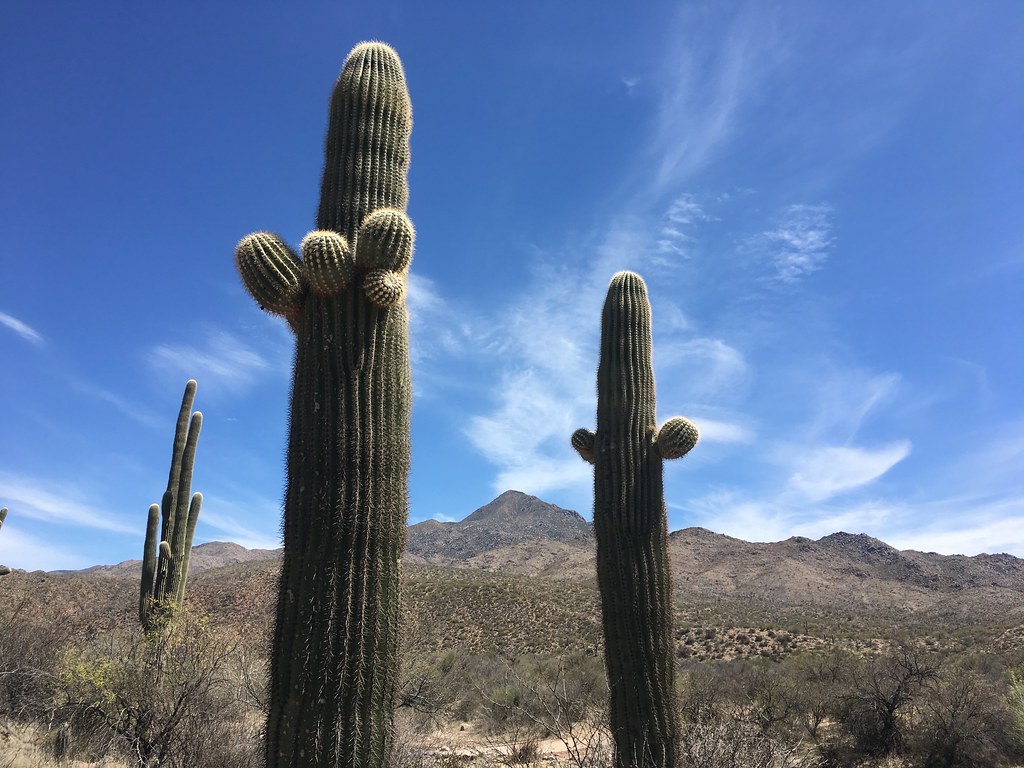
“For three decades, ill and disabled southsiders would articulate a vision of justice that would include treatment for both landscapes and people and that acknowledges long histories and potential futures of injury.”
Provocations
Questions from page 54.
- Why are these stories so common?
- What constitutes an end to such stores, and more vitally, what constitutes a sucessful outcome?
- How do people and landscapes continue living with illness and disability long after these battles have been fought?
Experts
Jane Kay
Mei Mei Evans
Yomi Wrong
Alisha Vasquez
Naomi Ortiz
Resources
Mapping Inequality Redlining in New Deal America – Phoenix
In the 1930s the federal government created redlining maps for almost every major American city. Mapping Inequality lets you explore these maps and the history of racial and ethnic discrimination in housing policy.
Not Tucson, but close enough for some parity probably.
HUGHES AIRCRAFT COMPANY, Defendant-Appellant
In 1985, approximately 2,400 residents of the City of Tucson (“the Valenzuela claims”) sued Hughes Aircraft Company (“Hughes”) for injuries arising out of contamination of their drinking water due to Hughes’ practice of discharging trichloroethylene (“TCE”) into unlined ponds. In 1991, Hughes settled the Valenzuela claims with a payment of almost $85 million. Ronald John Smith and other Lloyd’s underwriters (“Lloyd’s”), Hartford Accident and Indemnity Company (“Hartford”), and Insurance Company of North America (“INA”) (collectively referred to as “Insurers”) brought declaratory judgment actions beginning in 1988 to determine their respective liability for the Valenzuela claims.
Dr. Gregory S. Rodriguez oral history project for trichloroethylene (TCE) collection
The Dr. Gregory S. Rodriguez oral history project for trichloroethylene (TCE) collection includes student interviews with community members and other notable figures who discussed or were affected by the trichloroethylene (TCE) contamination in Tucson water. The contamination occurred in the 1980s on the southside of Tucson and residents were drinking contaminated drinking water, which was laced with TCE, a solvent best known for cleaning airplanes. Alleged contamination came from water runoff that entered arroyos adjacent to the Tucson Airport Authority. Additionally, TCE had been dumped throughout the 1950s and nine wells were contaminated and needed permanent closure. When individuals in the community began getting sick from the contamination, including several cancer cases, they began asking questions. These questions, research studies, and scientific reports would lead to a lengthy legal lawsuit. Nearly 40 years later, the Arizona government is fast-tracking efforts to clean up the groundwater contamination.
Principle Aquifers of the USA
This website compiles USGS resources and data related to principal aquifers including Aquifer Basics, principal aquifers maps and GIS data, and the National Aquifer Code Reference List.
Overview Of Groundwater Levels In Arizona’s Basins & Sub-Basins
The Depth-To-Water (DTW) dashboard is designed to give an overview of groundwater levels in AZ’s basins and sub-basins, providing summary statistics.
Eager: The Surprising, Secret Life of Beavers and Why They Matter
In Eager, environmental journalist Ben Goldfarb reveals that everything we think we know about what a healthy landscape looks like and how it functions is inaccurate a historical artefact produced by the removal of beavers from their former haunts. Across the Western Hemisphere, a coalition of “beaver believers” – including scientists, government officials, and farmers have begun to recognize that ecosystems with beavers are far healthier, for humans and non-humans alike, than those without them, and to restore these industrious rodents to streams throughout North American and Europe.